
Applications, Specs, Design, Engineering of Fire and Gas detection and Electronic Security
Showing posts with label Norms/Standards. Show all posts
Showing posts with label Norms/Standards. Show all posts
09 July 2020

11 April 2020
5 classes of fire
in order to extinguish a fire properly, you have to understand the materials that are burning.
A fire involving wood must be handled differently than a fire involving petrol.
Therefore fire is divided into 6 classes:
Class "A" fires involving ordinary combustible materials such as wood, cloth, plastic, and paper.
Class "B" fires involving flammable liquids or flammable solids such as grease, paint, oil, petrol, varnish,
and fat.
Class "C" fires involving gases such as butane, propane, acetylene.
Class "D" fires involving burning metals such as magnesium, titanium, potassium.
Class "E" fires involving electrical hazards.
Class "F" fires involving flammable liquids such as deep fat fryers.
A class "D" fire should only be tackled by qualified personnel trained in the handling of this class of fire.
28 December 2019
Reading distance for Analog Clocks
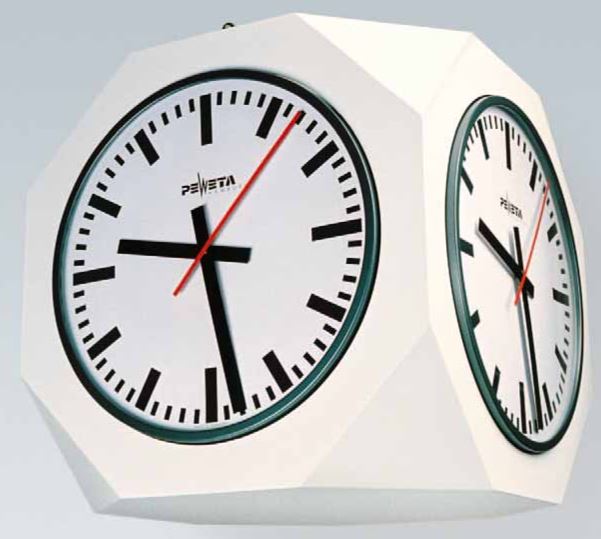

Reading distances are distances between the clock and an observer, derived from practical experiments.
For analog clocks, black DIN bar markings and black bar-type hands-on white clock
faces (in accordance with DIN 41 091) were used.
All distances are given as aids to orientation only and are without obligation.

15 December 2019

13 December 2019
IP ratings
IP ratings define an electrical enclosure’s level of protection against the ingress of water and solid objects based on the enclosure’s ability to pass performance criteria outlined by the international standard IEC 60529. The rating consists of the letters IP followed by two digits, e.g. IP54. The first digit indicates the level of protection against solid objects. The second digit indicates the level of protection against liquids. To help you understand what kind of protection each IP rating offers, we’ve created this guide for your reference.


19 October 2019

08 January 2014
View selected Fire Safety Standards
Visit the sites of safety authorities.
Standards promote efficiency, trust and safety.
Here is an overview of selected safety authorities for safety-related norms, testing and approvals

23 November 2012

Subscribe to:
Posts (Atom)